Resources

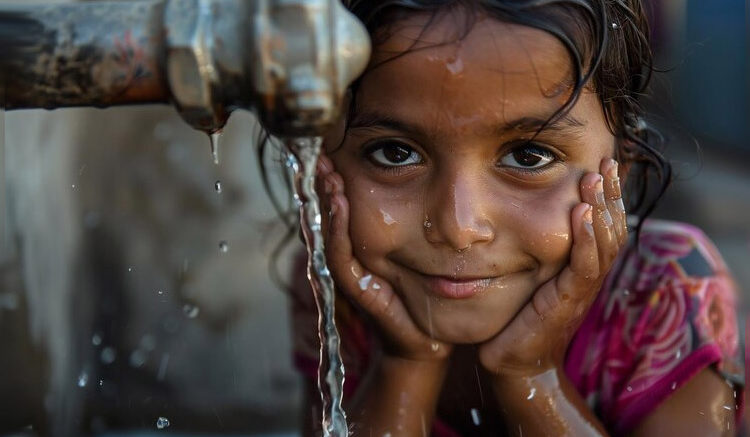
Ensuring access to water and sanitation for all

Access to safe water, sanitation and hygiene is the most basic human need for health and well-being. If progress is not quadrupled, billions of people will lack access to these basic services by 2030. Demand for water is increasing due to rapid population growth, urbanisation and growing water needs in agriculture, industry and energy sectors. Therefore, decades of misuse, poor management, overexploitation of groundwater and pollution of freshwater supplies have exacerbated the water crisis. In addition, countries face increasing challenges related to degraded water-related ecosystems, water scarcity caused by climate change, low investment in water and sanitation and insufficient cooperation on cross-border water.


At the same time, to reach universal access to drinking water, sanitation and hygiene by 2030, current rates of progress will need to be increased fourfold. Achieving these goals would save 829,000 people annually who die from diseases directly caused by unsafe water, inadequate sanitation and poor hygiene practices.


#Facts and figures related to #UN Sustainable Development Goal 6 i.e. ensuring access to clean water and sanitation for all


Despite great progress, billions of people still do not have access to safe drinking water, sanitation and hygiene. Achieving universal coverage by 2030 will require substantial increases in current global rates of progress. Sixfold for drinking water, fivefold for sanitation and threefold for hygiene. At the same time, water use efficiency has increased by 9 percent, but water stress and water scarcity remain a concern in many parts of the world. In 2020, 2.4 billion people lived in countries with water scarcity. The challenges have become even more complex due to conflict and climate change.


In fact, key strategies to get Goal 6 back on track include increasing sector-wide investment and capacity-building, promoting innovation and evidence-based action, enhancing inter-sectoral coordination and collaboration among all stakeholders, and adopting a more integrated and holistic approach to water management. At the same time, Only 0.5 percent of the water on Earth is usable and fresh water is available. Therefore, the report warns to be aware of the increasing water crisis.


At the same time, according to the World Meteorological Organization, limiting global warming to 1.5°C compared to 2°C will reduce the proportion of the world’s population suffering from water scarcity by almost half. However, there is a lot of variation between regions. (Reference Chapter 8: Water Cycle Change – Page 1063) At the same time, the global urban population facing water scarcity is estimated to double from 930 million in 2016 to 1.7-2.4 billion in 2050. UNESCO’s report related to the warning of the United Nations World Water Development Report 2023, the imminent threat of global water crisis, teaches us to behave consciously.
Achieving gender equality

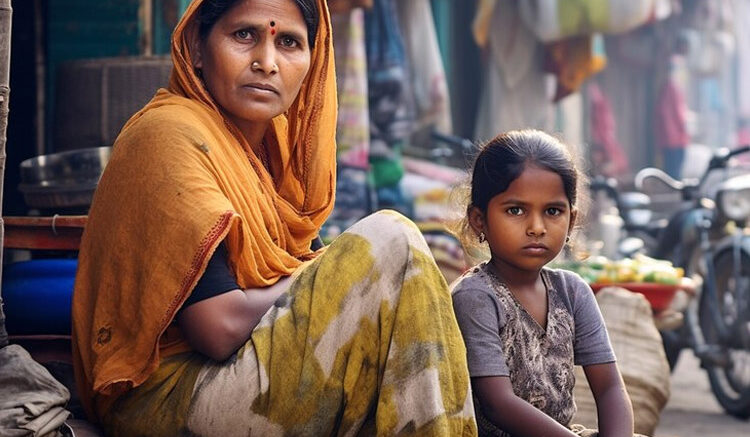
Under the UN Sustainable Development Goal 5, gender equality is not only a fundamental human right but an essential foundation for a peaceful, prosperous and sustainable world. While progress has been made over the past decades, the world is not on track to achieve gender equality by 2030. The social and economic fallout of the COVID-19 pandemic has made the situation even more dismal. Progress is lagging in many areas, including time spent on unpaid care and domestic work, decision-making regarding sexual and reproductive health, and gender-responsive budgeting. Already poorly funded women’s health services have faced major disruptions. Violence against women remains endemic and despite women’s leadership in responding to COVID-19, they still lag behind men in achieving the decision-making positions they deserve. Accelerating women’s progress requires commitment and bold action, including promoting laws, policies, budgets and institutions that advance gender equality. Greater investment in gender statistics is crucial, as less than half of the data needed to monitor Goal 5 is currently available.


#Facts and figures on achieving gender equality.

With only seven years remaining, only 15.4 percent of Goal 5 indicators with data are “on track”, 61.5 percent are medium distance and 23.1 percent are far or very far from the 2030 target. Progress in many areas has been too slow. At the current rate, it will take an estimated 300 years to end child marriage, 286 years to close gaps in legal protection and remove discriminatory laws, 140 years to ensure equal representation of women in positions of power and leadership in the workplace, and 47 years to achieve equal representation in national parliaments.


Political leadership, investment and comprehensive policy reforms are needed to address systemic barriers to achieving Goal 5. Gender equality is a cross-cutting objective and should be a key focus of national policies, budgets and institutions. At the same time, about 2.4 billion women of working age do not have equal economic opportunities. Globally, about 2.4 billion women do not have the same economic rights as men. 178 countries have legal barriers that prevent women’s full economic participation. Globally, about 2.4 billion women do not have the same economic rights as men. In the year 2019, one in five women aged 20-24 years was married before the age of 18. Special Representative of the United Nations Secretary-General on Violence against Children

Affordable, reliable, sustainable and modern clean energy for all

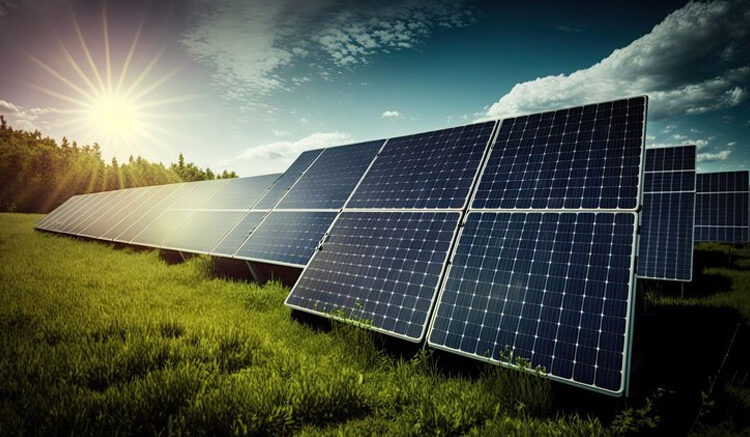
The UN Sustainable Development Goal 7 is about ensuring access to clean and affordable energy, which is crucial for the development of agriculture, trade, communications, education, health care and transport. Indeed, lack of access to energy hinders economic and human development.


The latest data show that the world is progressing towards the Sustainable Energy Goals. Yet, the current pace of progress is insufficient to achieve Goal 7 by 2030. Huge inequalities in access to modern sustainable energy persist.


Rising commodity, energy and shipping prices have increased the cost of producing and transporting solar photovoltaic modules, wind turbines and biofuels around the world, adding uncertainty to a development path that is already well below the ambitions of Goal 7. Achieving energy and climate goals will require sustained policy support and the massive mobilisation of public and private capital for clean and renewable energy, especially in developing countries.


# Facts and figures on affordable, reliable, sustainable and modern clean energy

The world is progressing towards the Sustainable Energy Goals, but not as fast as expected. At the current pace, about 660 million people will still not have access to electricity and by 2030 about 2 billion people will still rely on polluting fuels and technologies for cooking. It is noteworthy that about 30 percent of energy consumption in the power sector comes from renewable sources, but challenges remain in the heating and transport sectors. Renewable energy installations in developing countries are experiencing annual growth of 9.6 percent, but despite the huge needs, international financial flows for clean energy continue to decline.


Therefore, to ensure access to energy for all by 2030, we must accelerate electrification, increase investment in renewable energy, improve energy efficiency and develop enabling policies and regulatory frameworks. Because 733 million people do not have access to electricity. This is about one in ten people worldwide.


At the same time, the United Nations Development Program on Energy Access shows that access to electricity increased from 73% in 1998 to 90% in 2020. The United Nations Development Programme (UNDP) has estimated that US$35 billion to US$40 billion annually will be required between 2021 and 2030 to reach universal access to electricity.

Working to
eradicate poverty

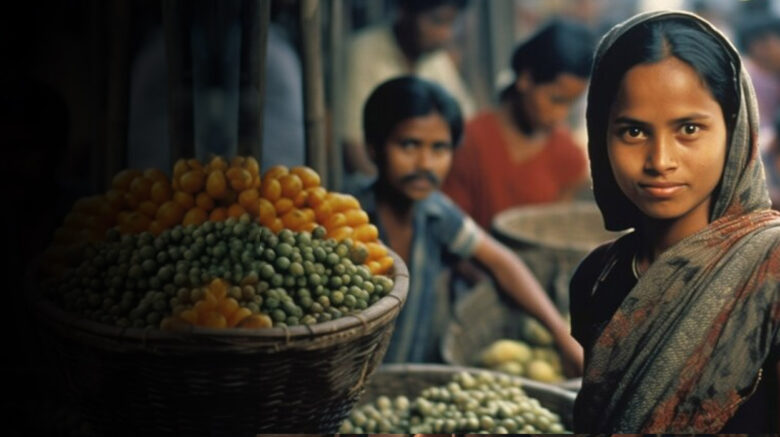
India has reduced extreme poverty very effectively, which we all are aware of. The last official data is 8 years old. According to World Bank estimates, in 2011, 268 million people were living on less than $1.90 per day (extreme poverty). The next round of data on household consumption is expected in June, which may show a huge decline in …

Working for
women empowerment

Political leadership, investment and comprehensive policy reforms are needed to address systemic barriers to achieving gender inequality Goal. Gender equality is a cross-cutting objective and should be a key focus of national policies, budgets and institutions. Nearly 2.4 billion women of working age do not have access to equal economic opportunities. Globally, nearly 2.4 billion women do not have the …

Working for
child education

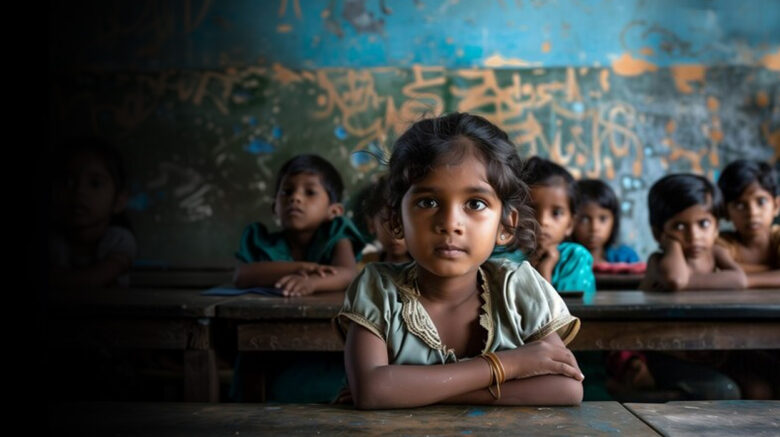
A secondary school, often referred to as a high school or a senior high school, is a school which provides secondary education, between the ages of 11 to 19 depending on location, after primary school and before higher education.

Promote Inclusive and sustainable economic growth

Promote inclusive and sustainable economic growth, employment and decent work for all.
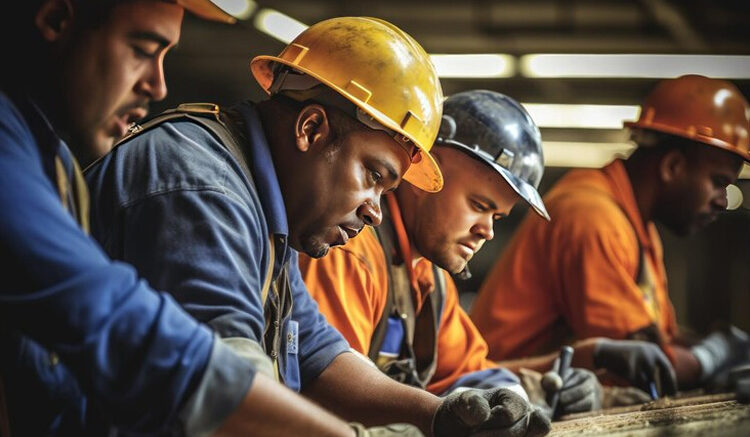
UN Sustainable Development Goal Eight is about promoting inclusive and sustainable economic growth, employment and decent work for all. The COVID-19 pandemic caused the worst economic crisis in decades and reversed progress toward decent work for all.

Although the global economy began to rebound in 2021, leading to some improvement in unemployment, the recovery remains elusive and fragile. By the end of 2021, the global economic recovery was hampered by new waves of COVID-19 infections, rising inflation pressures, major supply-chain disruptions, policy uncertainties, and persistent labor market challenges.


# Facts and figures on promoting inclusive and sustainable economic growth, employment and decent work for all.

Multiple crises in the contemporary world are seriously threatening the global economy. Global real GDP per capita growth is projected to slow in 2023. Challenging economic conditions are pushing more workers into informal employment. As economies have begun to recover, the global unemployment rate has declined significantly. However, the youth unemployment rate remains significantly higher than the adult rate, indicating ongoing challenges in securing employment opportunities for young people. To be clear, the pandemic has accelerated the adoption of digital technology and transformed access to finance. Globally, 76 percent of adults had a bank account or accounts at regulated institutions in 2021, up from 62 percent in 2014.


At the same time, achieving SDG Goal 8 will require extensive reform of the financial system to deal with rising debt, economic uncertainty and trade tensions. Also, equal pay and decent work for young people will have to be promoted. At the same time, the slowdown in global growth in the year 2023 is likely to be less severe than previously thought, mainly due to resilient domestic spending in developed economies and improvement in China. Global economic growth is now projected to reach 2.3 percent in 2023, which is 0.4 percentage points above the January forecast.


On the other hand, if we look at the main message of the World Economic Situation and Prospects till mid-2023, then average global inflation is projected to fall from 7.5 percent in 2022 to 5.2 percent in 2023 amid low food and energy prices and a slowdown in demand, especially in large developed economies. At the same time, the World Economic Situation and Prospects (WESP) report estimates that world production growth will slow down to 1.9% in 2023, having declined by more than one percentage point from 3% in 2022. So it is clear that slow economic growth is a threat to the SDGs, the UN flagship report has warned. News, SDGs, Knowledge Hub, IISD also confirm these things.